Embracing minimalism in your home can lead to a transformative experience, creating a tranquil and organized environment. The 11 minimalist home décor ideas for a clean look will guide you through practical methods to simplify your space. Implementing these simple minimalist home design principles not only enhances aesthetics but also promotes stress reduction and increased focus. As we explore each idea, you’ll discover how integrating these minimalist interior design tips can elevate your living area while keeping it uncluttered and serene.
Whether it’s choosing a neutral color palette or incorporating natural textures like wood and linen, each idea stands out as a powerful statement in your home. Prepare to redefine your space with elegance and ease.
Key Takeaways
- Minimalism fosters a calm and organized home environment.
- Utilizing a neutral color palette enhances the visual appeal.
- Modern furniture promotes streamlined functionality.
- Clutter-free surfaces contribute to a stress-free atmosphere.
- Soft, warm lighting creates a warm and inviting ambiance.
- Natural textures bring warmth and depth to minimalist spaces.
Choose a neutral color palette
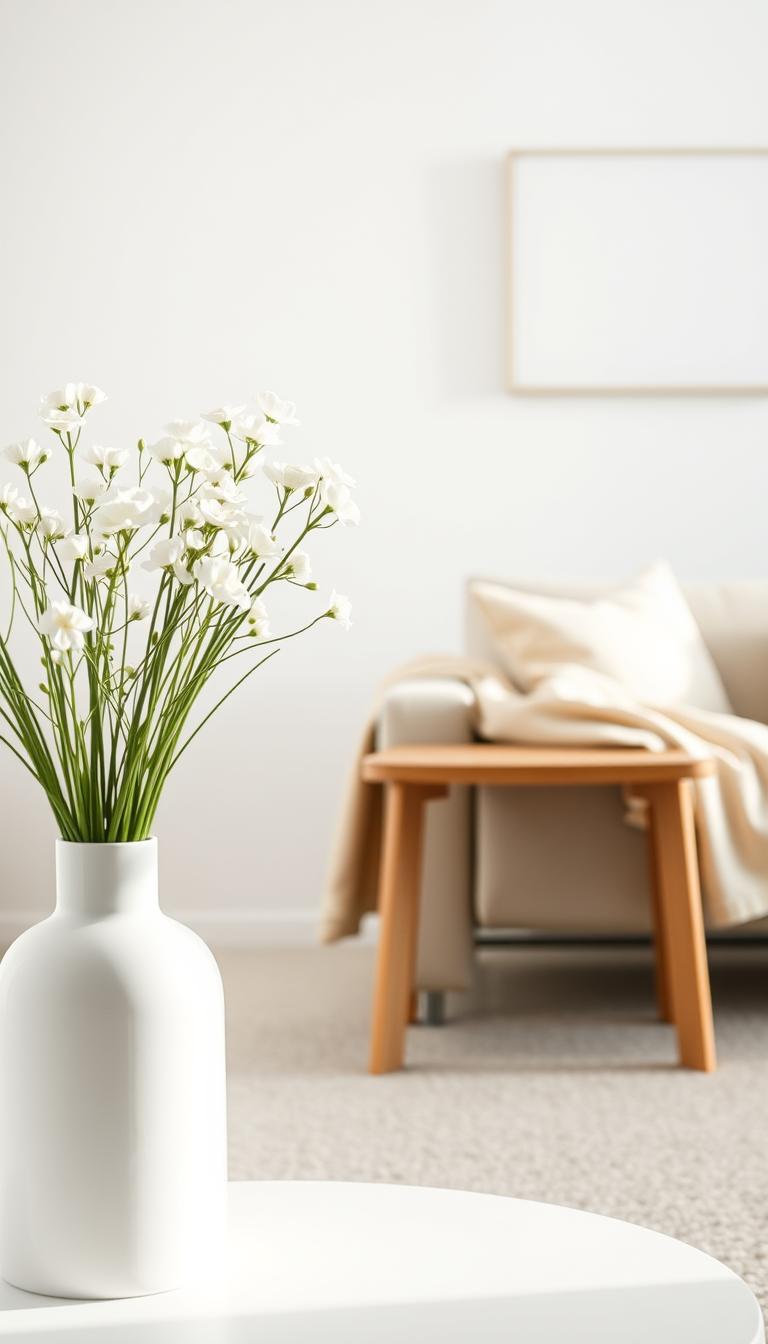
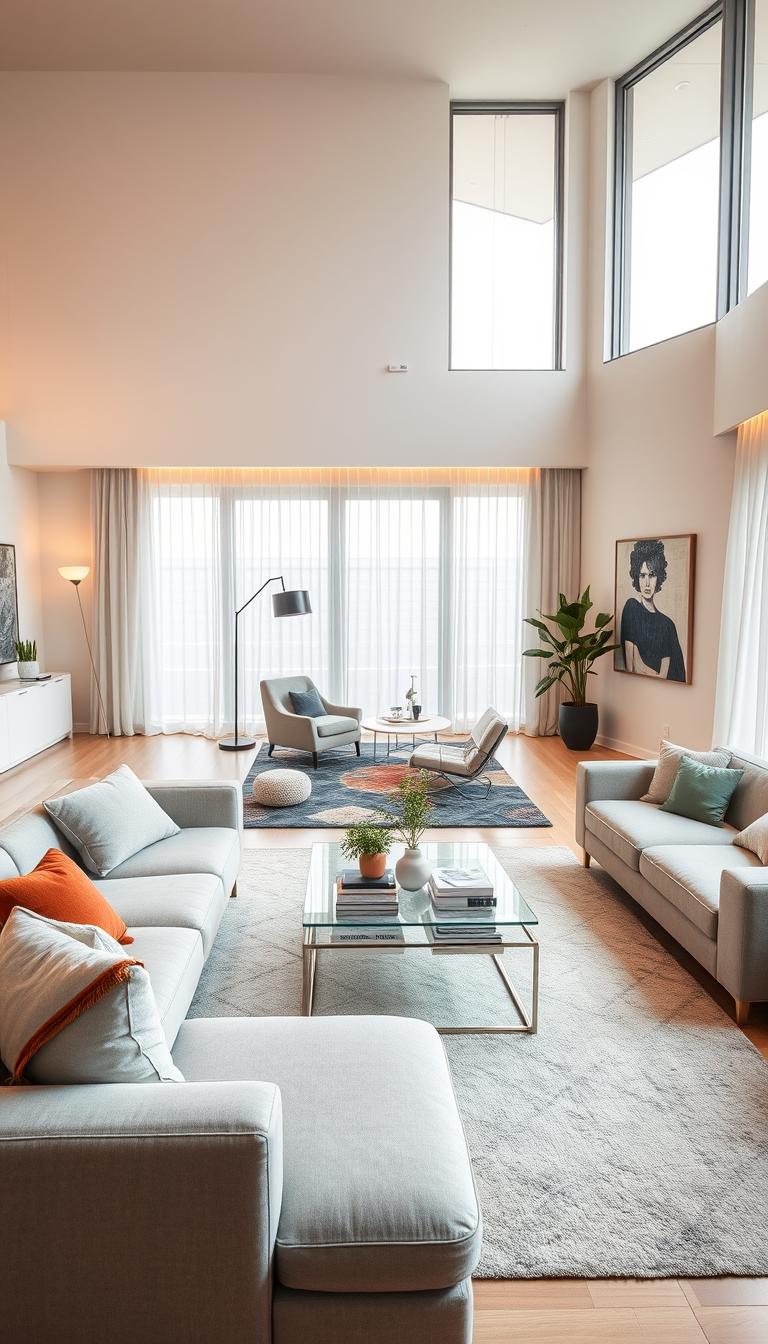
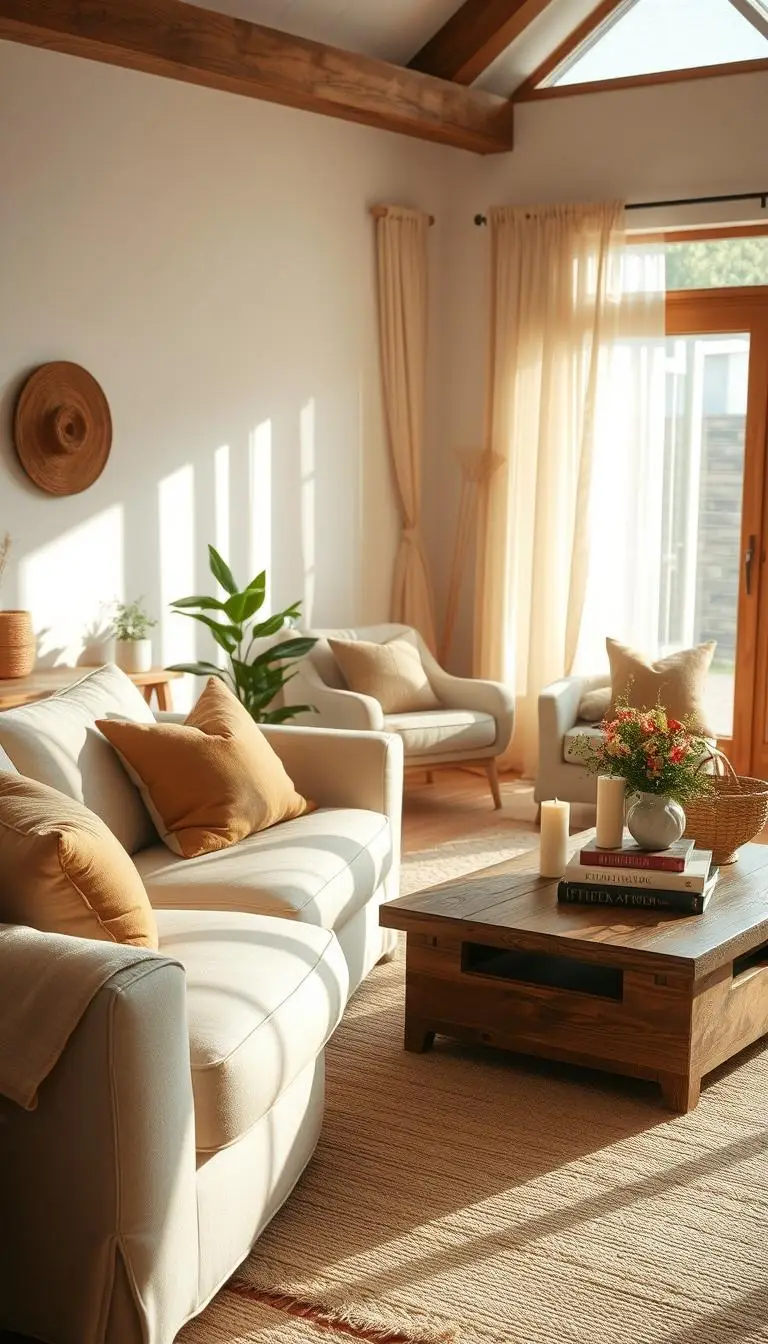
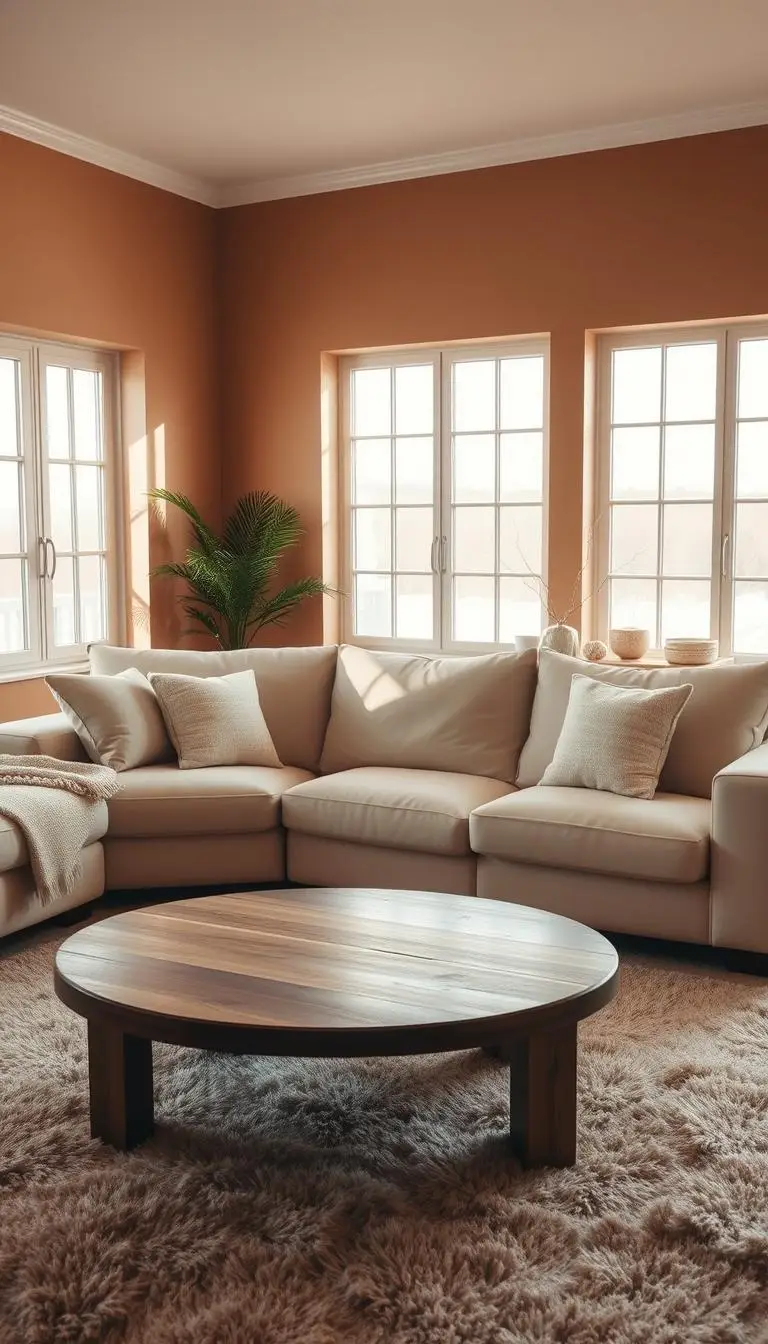
Embracing a neutral color palette is essential for creating a serene and inviting atmosphere in your home. A minimalist color palette for home décor typically includes shades like soft whites, gentle greys, warm creams, and earthy tones. These hues not only provide a calming effect but also promote a sense of tranquility throughout your living space.
Consistently applying neutral color trends can enhance the overall cohesion of your home. Consider the following tips to make the most of your calming home color schemes:
- Use varying shades of neutrals in different rooms to create a subtle flow.
- Incorporate textures like wool or cotton to add depth while maintaining a minimalist look.
- Accent with occasional pops of color through decor items without overwhelming the space.
According to interior designer Amber Lewis, utilizing a neutral color palette allows other design elements, such as artwork and furniture, to stand out, creating an aesthetically pleasing balance in the room. Furthermore, psychologists suggest that these colors can enhance mood and perception, making your home feel more spacious and open.
Use streamlined, modern furniture
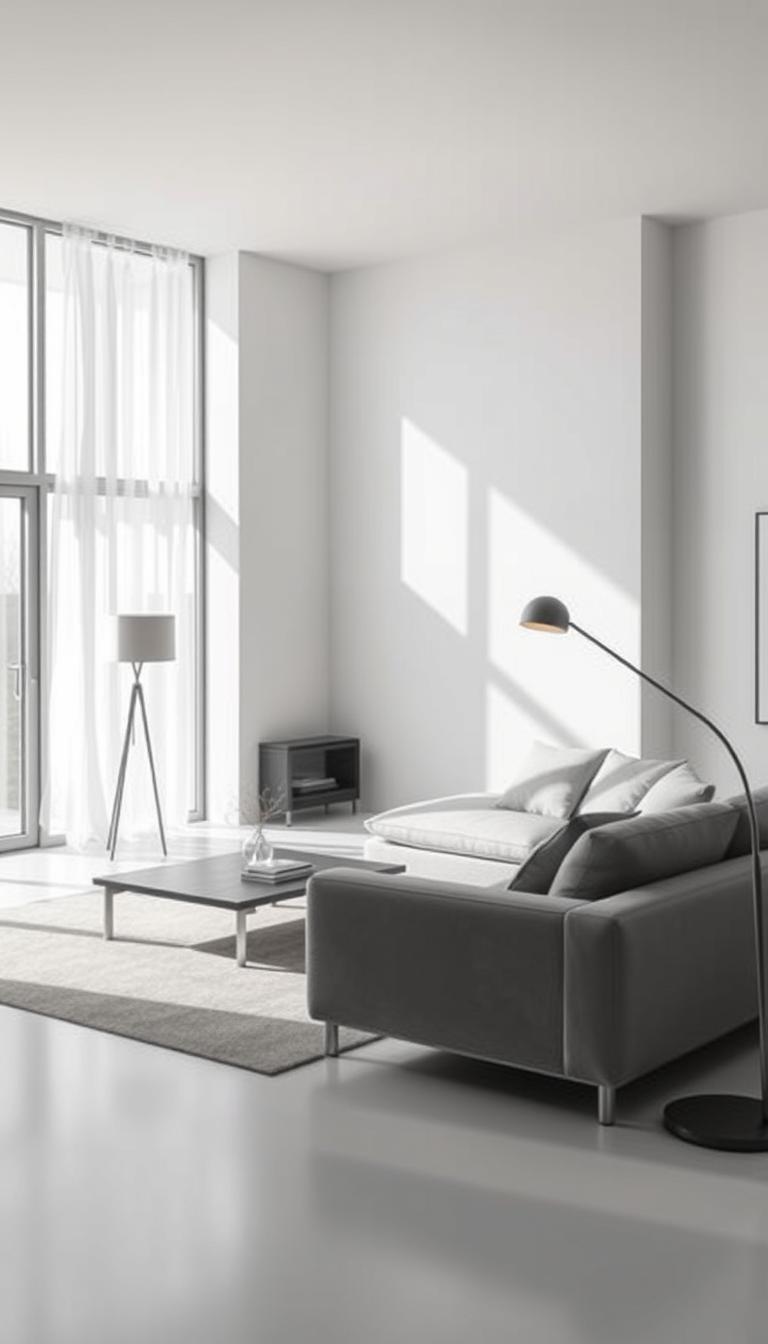
When aiming for a minimalist aesthetic, selecting streamlined, modern furniture is crucial. Focus on furniture that embodies sleek lines and simple forms, reflecting the essence of modern furniture design. Brands like Muji and West Elm offer pieces that not only look good but are also incredibly functional. These brands excel in providing minimalist furniture and accessories MyHomeStyleBlog.com is a participant in the Amazon Services LLC Associates Program, an affiliate advertising program designed to provide a means for sites to earn advertising fees by advertising and linking to Amazon.com. As an Amazon Associate, I earn from qualifying purchases.
Choosing functional furniture helps maintain an uncluttered environment, promoting an open flow throughout your home. For example, a coffee table with built-in storage can hold items while preserving the room’s clean lines. Such modern furniture design highlights the beauty of simplicity, allowing each piece to stand out without overwhelming the space.
Integrating streamlined furniture is essential to achieving a cohesive look in a minimalist home. Remember, the key is to focus on quality over quantity, ensuring that each item enhances the overall aesthetic and functionality of your living area.
Keep surfaces clutter-free

Maintaining a clean and organized home can feel overwhelming, but implementing strategies for decluttering your space to achieve a minimalist look makes it easier. Start by organizing surfaces effectively. Utilize stylish storage boxes and baskets to conceal items and minimize visual clutter. Regularly review décor items and eliminate those that no longer bring you joy. This ongoing assessment keeps your space fresh and inviting.
A daily routine focuses on minimalist cleaning tips. Dedicate just fifteen minutes each day to removing stray items and ensuring surfaces remain clear. Simple actions, such as placing remote controls in designated spots or sorting through mail, can make a significant difference. Following Marie Kondo’s guiding principles encourages thoughtful decisions, reinforcing the belief that less truly is more.
Could you consider including family members in this process? Creating a shared understanding of the importance of keeping surfaces clutter-free cultivates a sense of responsibility. Together, you’ll nurture a minimalist environment where clarity and calmness reign.
Add soft, warm lighting
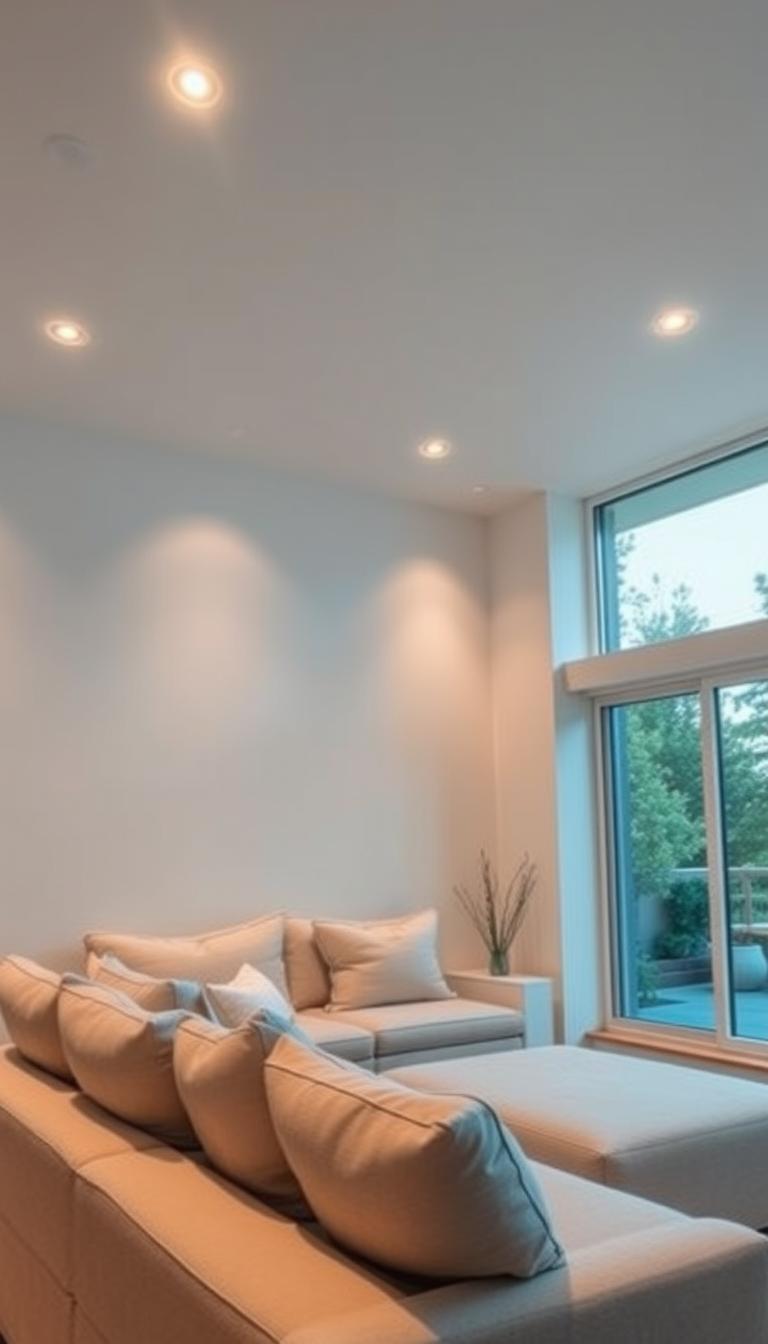
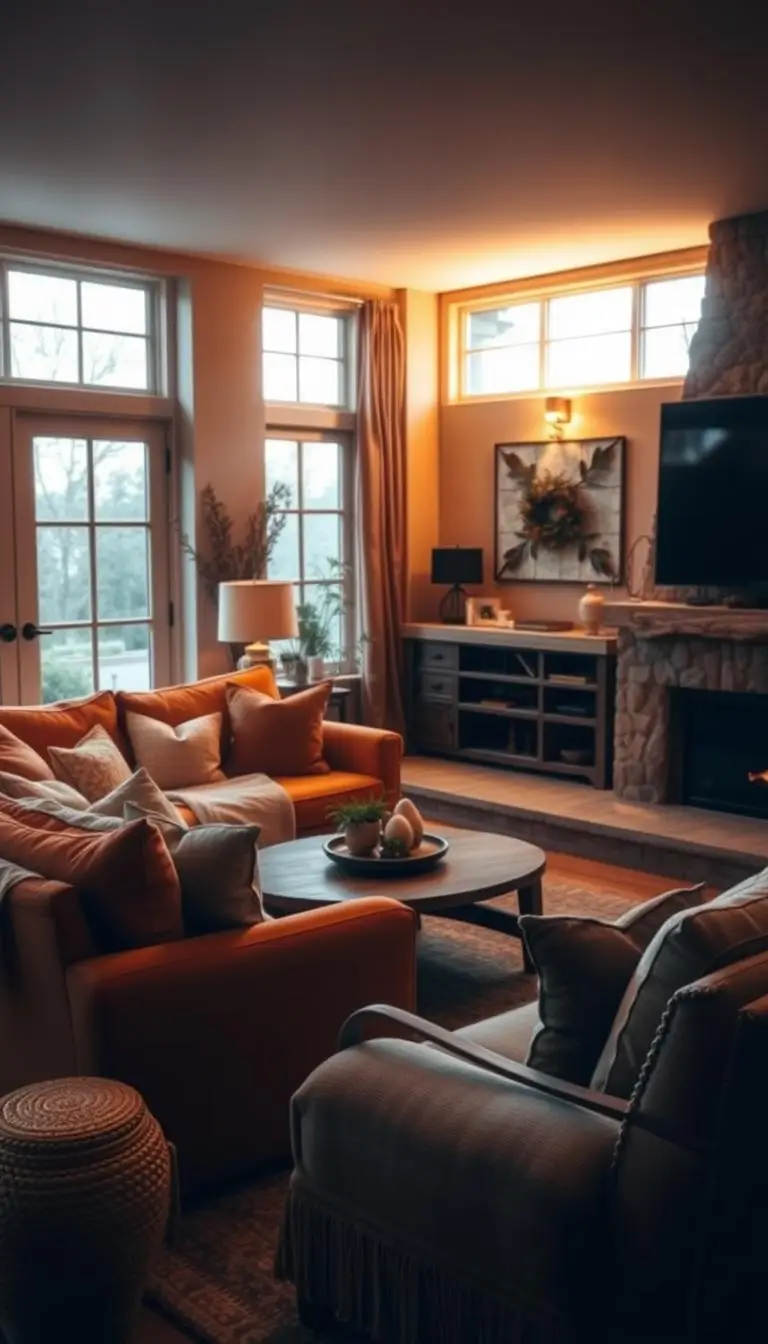
Soft, warm lighting plays a pivotal role in achieving a welcoming minimalist environment. Using minimalist lighting ideas for a clean look enhances the overall aesthetic while promoting a relaxing atmosphere. Consider incorporating warm lighting solutions, such as floor lamps, table lamps, and wall sconces from brands like Flos and Artemide, known for their sleek and stylish designs.
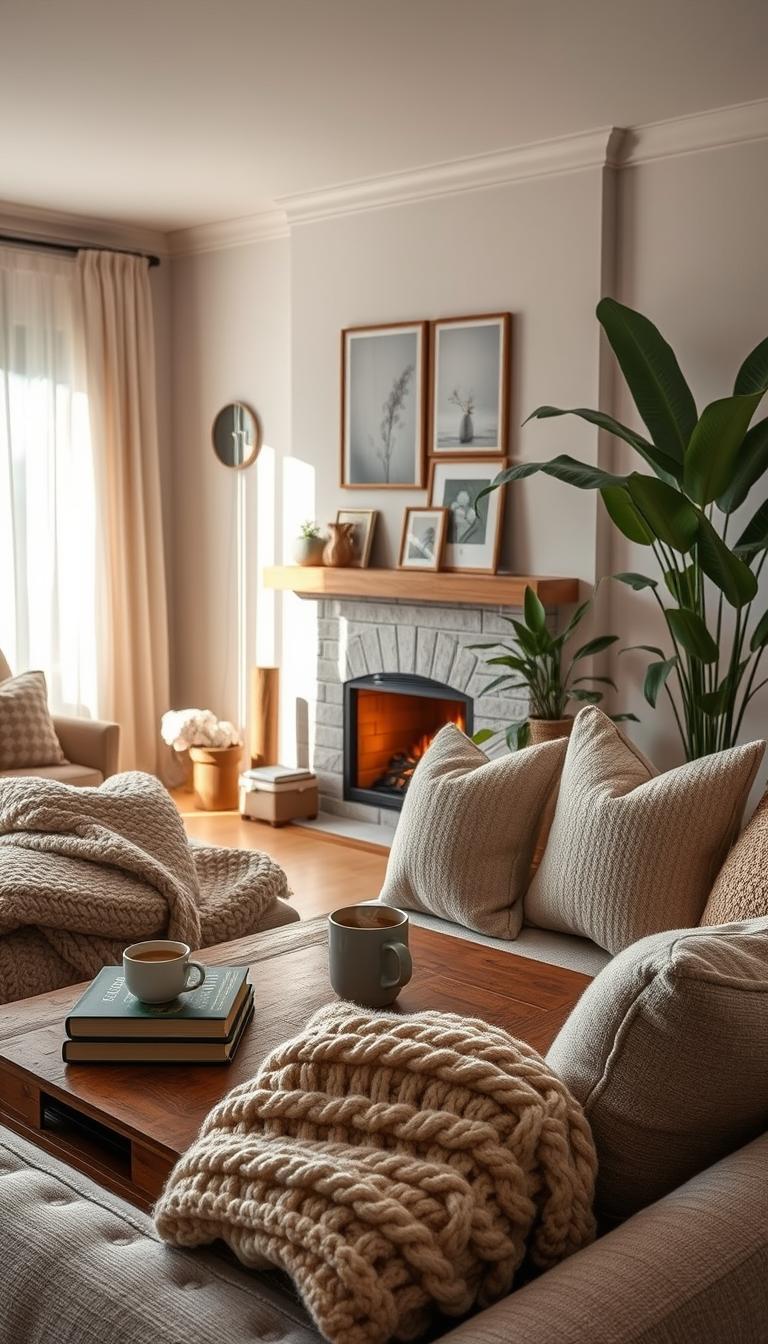
To create an inviting ambiance, it is essential to explore ambient lighting tips that encourage a comfortable vibe. Natural light can be an excellent addition, so maximize window space with sheer curtains. This allows soft sunlight to filter through, creating a bright yet soothing setting.
For evening spaces, LED strips can be installed discreetly under furniture or along shelves, adding a modern touch while integrating seamlessly into the decor. Such thoughtful lighting choices elevate the minimalist look, proving that lighting is as critical as the furniture and décor when designing a space.
Incorporate natural textures like wood and linen
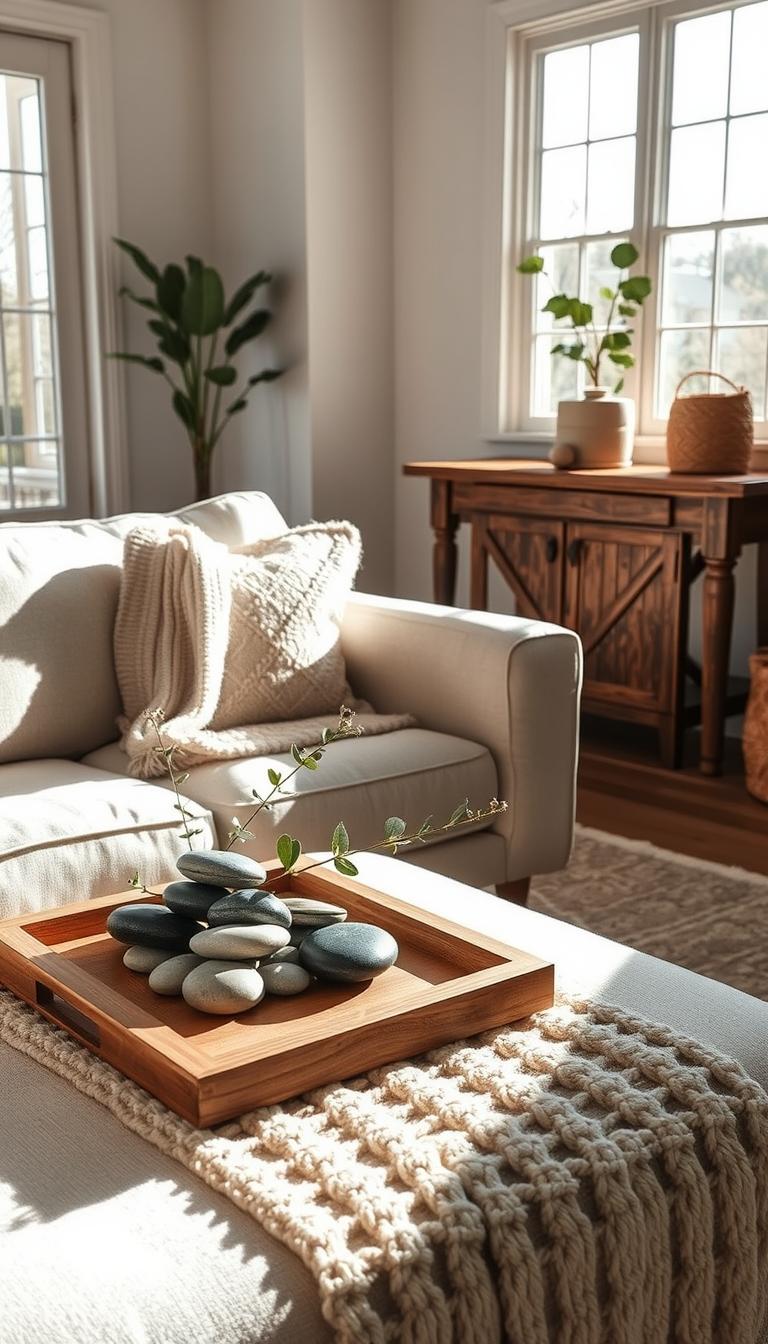
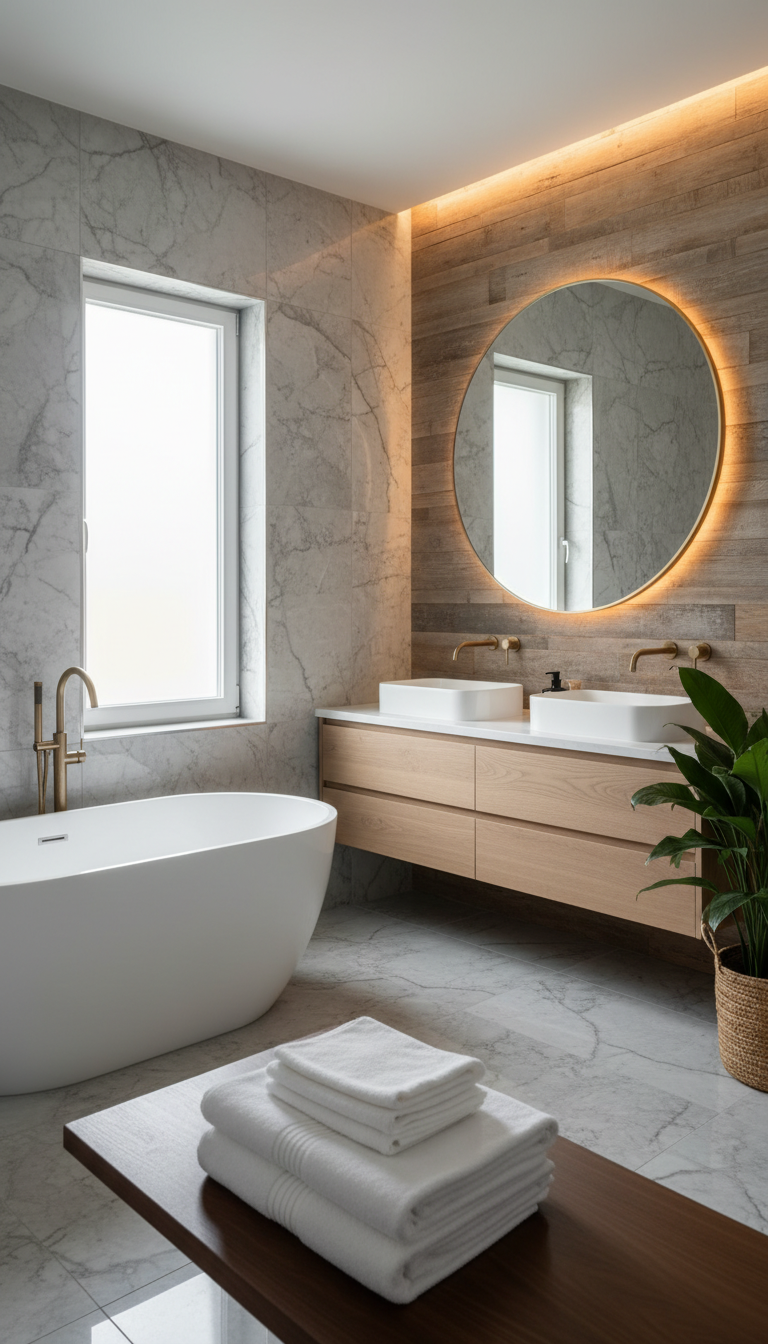
Bringing organic elements into your home can significantly enhance the concept of *textured minimalist design*. Incorporating natural materials in home décor, such as wood and linen accents, adds both warmth and character. These textures create a welcoming atmosphere while maintaining a clean look that defines minimalism.
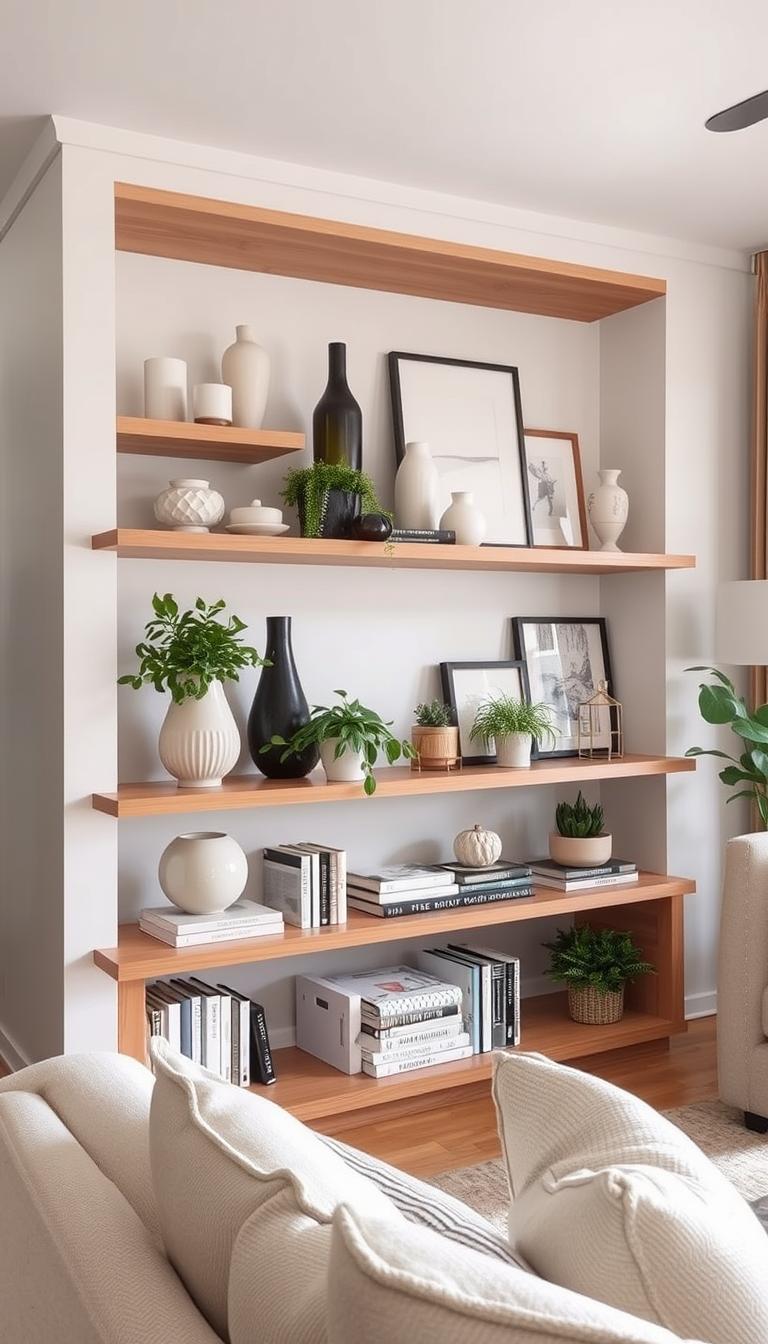
Brands like Pottery Barn emphasize the beauty of natural materials, showcasing how *wood and linen accents* can transform spaces. Consider adding a simple linen throw on your sofa or installing wooden shelving to display your favorite items. These subtle additions will create a harmonious balance that draws attention without overwhelming the senses.
Beyond aesthetics, opting for natural materials comes with environmental benefits. Wood and linen are both durable, sustainable choices that stand the test of time. Integrating these elements into your design not only ensures a unique look but also supports eco-friendly living. By thoughtfully incorporating natural textures, you will create a serene space that resonates with both beauty and purpose.
Use large statement art instead of gallery walls
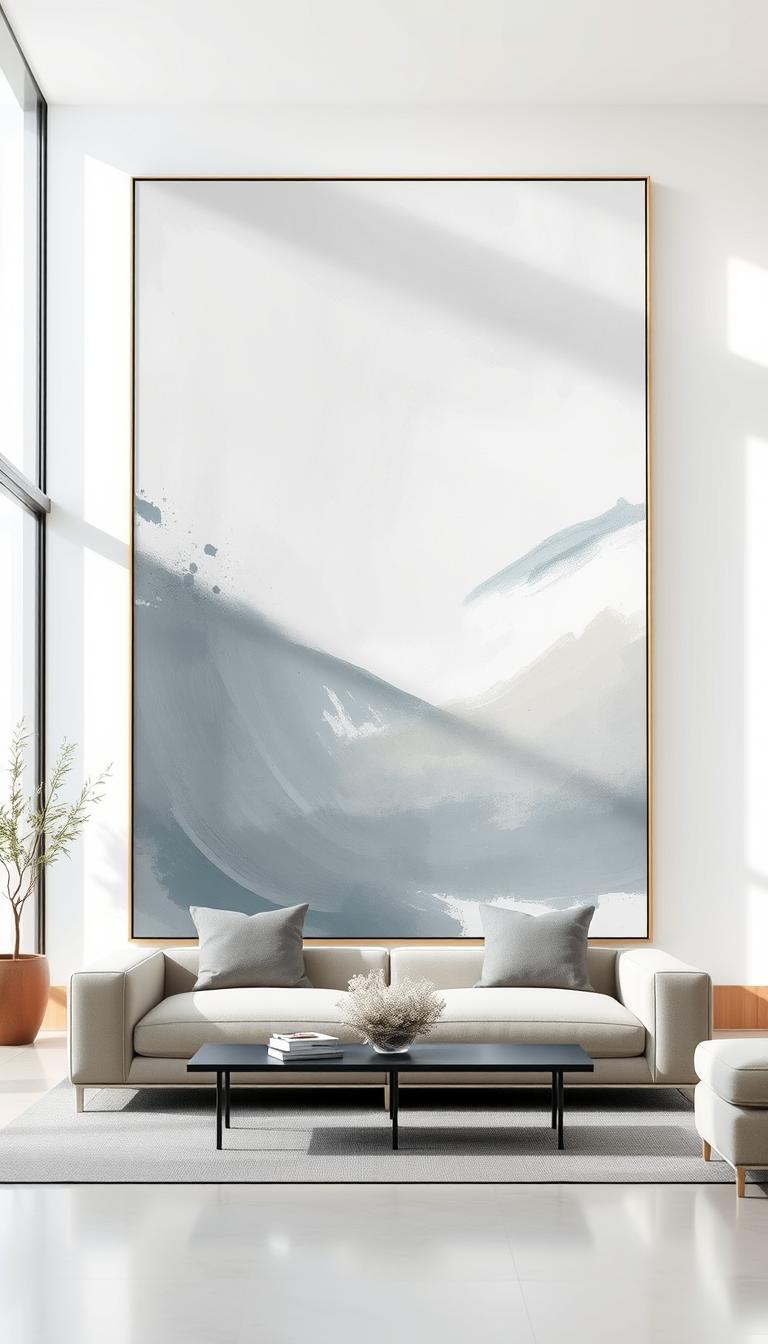
Incorporating large statement art for home décor can truly transform a space. Opting for a single, bold piece eliminates the clutter often associated with gallery walls. This approach not only creates a stunning focal point but also aligns seamlessly with minimalist principles. Many art consultants recommend that homeowners select pieces that resonate personally, reflecting individuality and enhancing emotional connection to the room.
Impactful art arrangements capture the eye and evoke emotions, adding depth to any interior. When selecting minimalist wall art, consider how different colors, shapes, and textures complement the surrounding space. An oversized canvas or striking sculpture can elevate the overall aesthetic without overwhelming it.
Ultimately, selecting the right artwork sets the tone and atmosphere of a room. A well-placed statement piece stands as a conversation starter and adds richness to the environment. Embrace the beauty of simplicity with a dramatic art choice, allowing it to shine as the centerpiece of your décor.
Add greenery with simple, sculptural plants
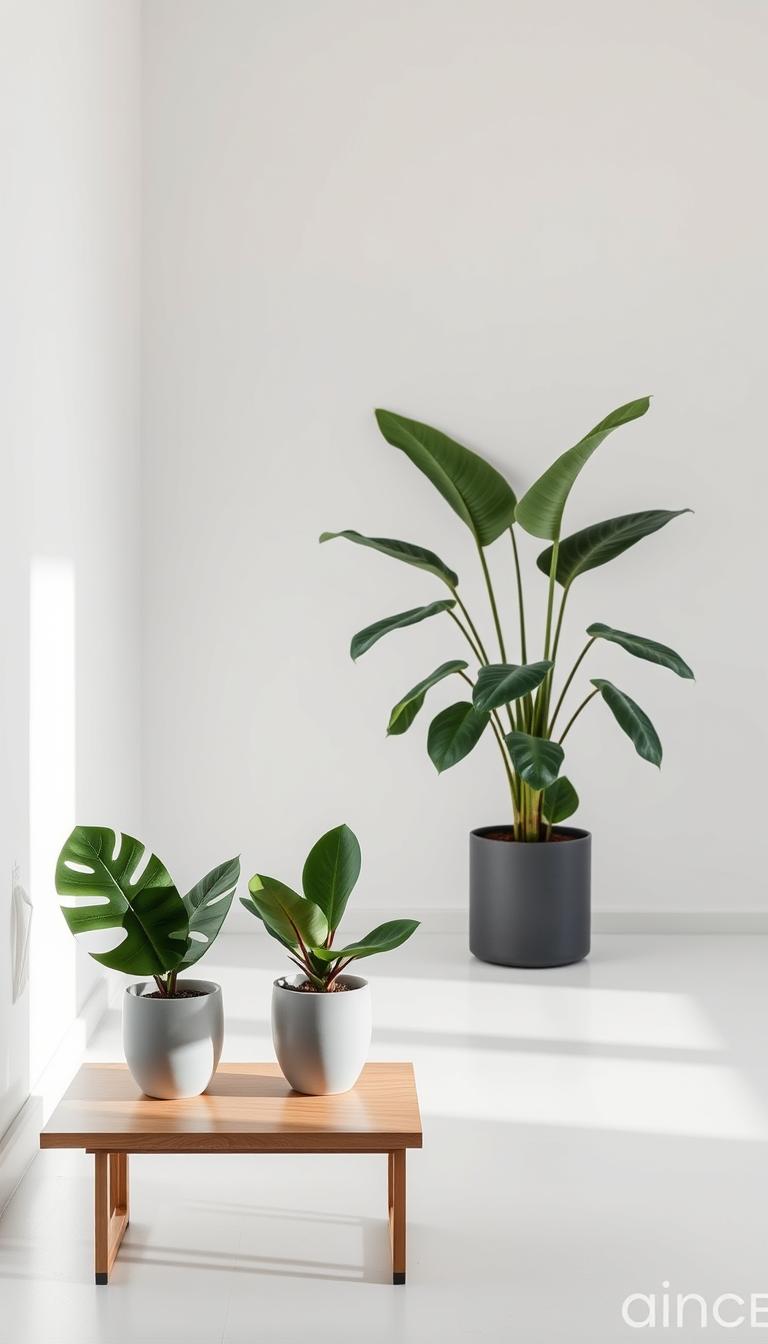
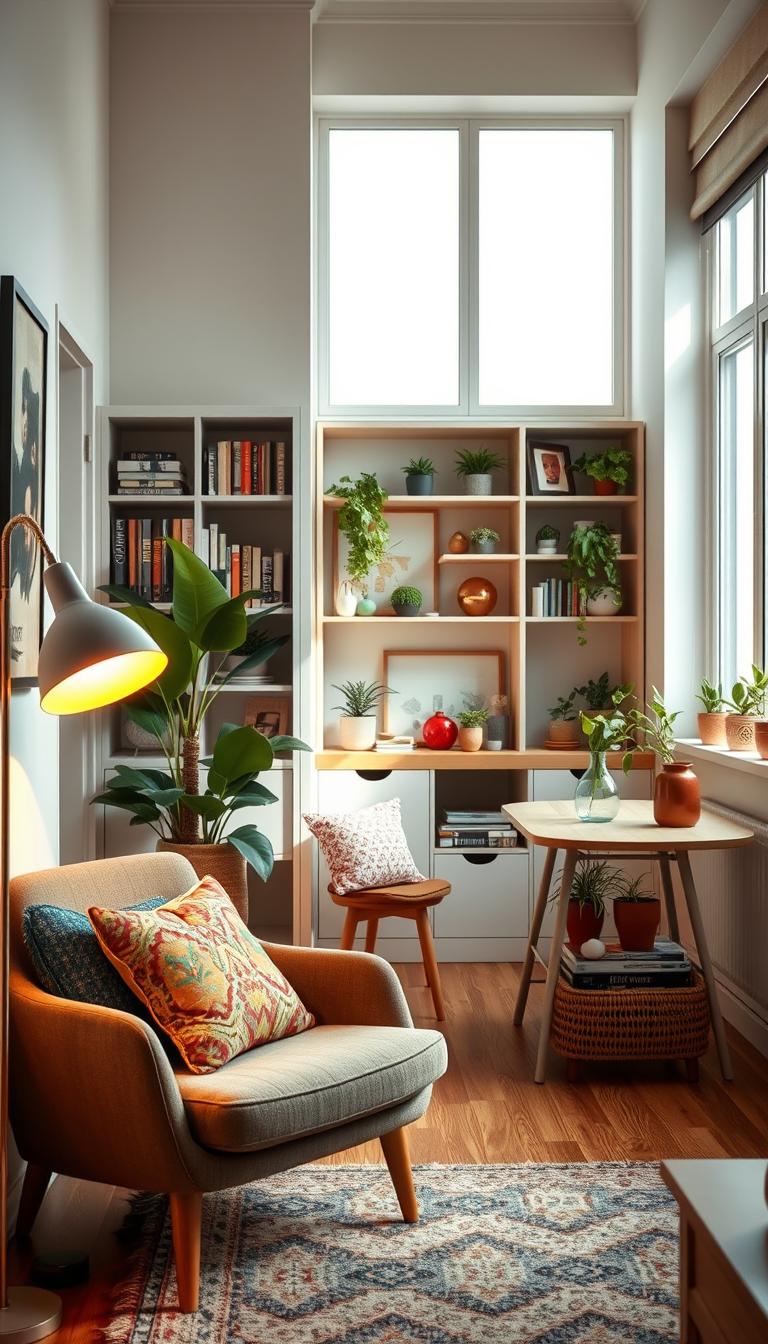
Integrating greenery into your home enhances both aesthetics and well-being. Minimalist indoor plants, such as snake plants and succulents, serve as perfect companions for a modern décor scheme. Their sculptural shapes bring a touch of nature indoors, maintaining a clean and uncluttered look.
Simple plant ideas, such as air plants, require minimal care and add a unique visual element. These options allow you to enjoy the beauty of greenery in home design without overwhelming your space. Research highlights benefits such as air purification and stress relief, showing that even a slight touch of nature can elevate your living environment.
Selecting the right plants significantly contributes to the overall aesthetic of your home. By carefully choosing low-maintenance varieties, you can create a serene environment that reflects your minimalist approach while nurturing a connection to nature.
Hide storage in closed cabinets
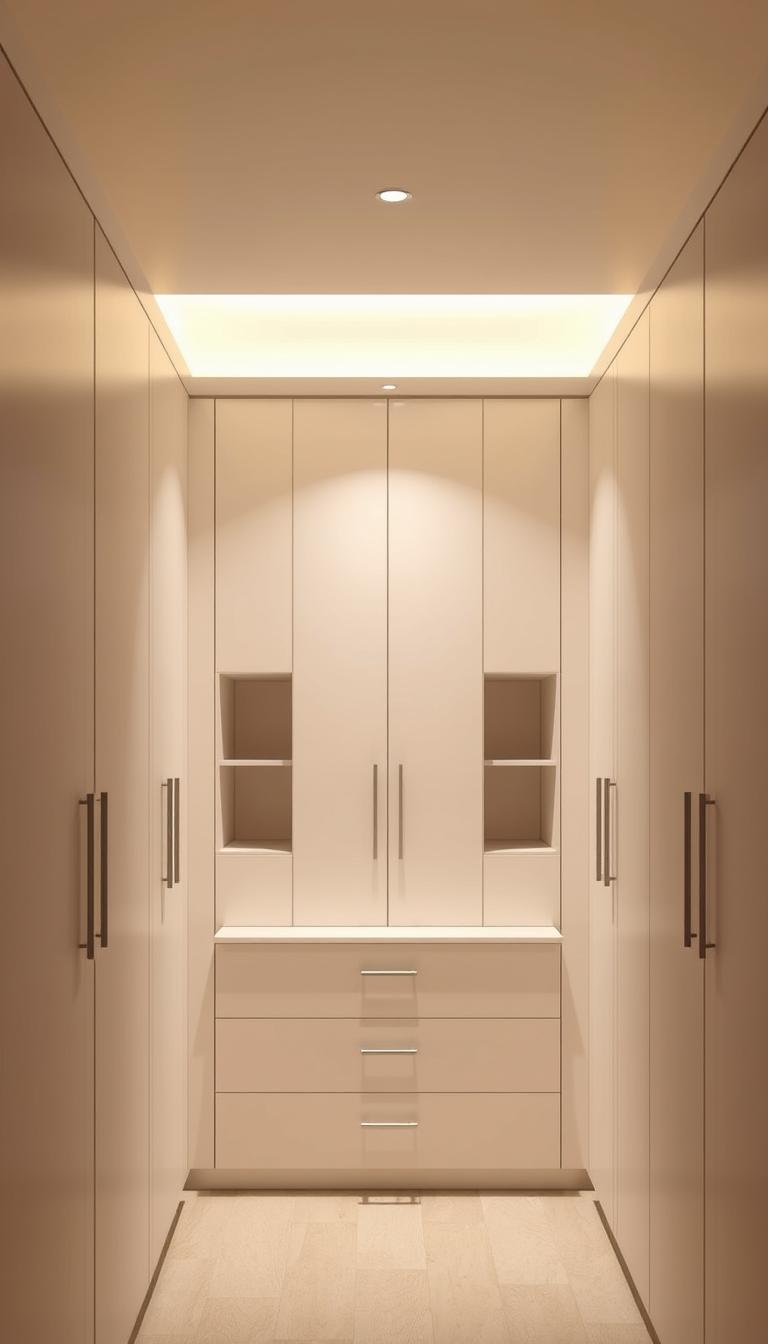
To achieve a truly minimalist look, utilizing closed cabinetry is essential. This strategy promotes a concealed organization, ensuring that frequently used itemsare within reach yet hidden from sight. Opting for sleek, modern designs can complement various aesthetics while effectively contributing to a clutter-free environment.
Closed cabinetry ideas can vary widely, from built-in units that blend seamlessly with walls to standalone pieces that serve as functional art. Brands like IKEA offer versatile options, enabling homeowners to tailor their storage solutions to meet their specific needs. CB2 is another excellent choice, known for its stylish designs that do not sacrifice functionality.
Incorporating minimalist storage solutions not only declutters spaces but also enhances a room’s tranquility. When organizing, consider grouping items by category and dedicating specific sections of your cabinetry to different purposes. This thoughtful arrangement supports long-term ease and accessibility while maintaining that all-important clean aesthetic.
Choose quality over quantity
Embracing the quality-over-quantity principle is essential for cultivating a minimalist home. This approach emphasizes the significance of selecting high-quality items that enrich your living space, rather than filling it with numerous lesser-quality pieces. The minimalism buying guide suggests investing in well-made, functional items that offer durability and aesthetic appeal.
Brands like Article and Rejuvenation embody this mindset by offering sustainable home products that prioritize eco-friendly practices. Opting for their products means you contribute to a healthier environment while ensuring the longevity of your investments. Each carefully chosen piece becomes a reflection of your style, promoting both mindfulness and sustainability.
Incorporating quality items not only enhances the visual appeal of your home but also fosters a sense of tranquility and order. Rather than succumbing to the temptation of fast furniture, consider how each purchase aligns with your values and lifestyle. Adopting a more thoughtful approach to shopping enables you to create a home that truly resonates with your minimalist ideals.
Keep patterns subtle and minimal
In a minimalist home, the use of patterns should be approached with care. Embracing minimalist patterns in home décor can elevate a space while maintaining its serene essence. Notably, subtle design elements, such as delicate stripes or muted geometric shapes, can enhance furnishings without overwhelming them. This approach ensures that each pattern complements existing colors and textures, rather than acting as a distraction within the room.
Design experts emphasize the importance of using minimal patterns in textiles, such as throw pillows or area rugs, which can seamlessly integrate into a minimalist aesthetic. Opting for understated motifs in soft tones or monochromatic palettes allows for visual interest while adhering to the soothing qualities of minimalist décor. By thoughtfully selecting these patterns, homeowners can curate a space that remains inviting yet chic, achieving a tranquil atmosphere that feels both organized and stylish.
Ultimately, the key is to strike a balance between simplicity and creativity. By incorporating subtle patterns, you can enrich your living environment while staying true to the minimalist values of clarity and calm. So, whether it’s a lightly patterned curtain or a simple piece of artwork, remember that the correct details can significantly enhance the harmony of your home.